Record number of polar bear visits to the Eider islets
Original text: https://nina.no/aktuelt/alle-artikler-og-nyheter/rekordmange-bjornebesk-pa-aerfuglholmene-i-kongsfjorden
Translated with use of Microsoft Copilot, then checked and verified by a human
Reduced sea ice is forcing polar bears to search for food on land. This summer, researchers have recorded an unusually high number of polar bear visits in Kongsfjorden, where one of Svalbard’s most important common eider breeding populations nests. This could have significant consequences for local bird life.
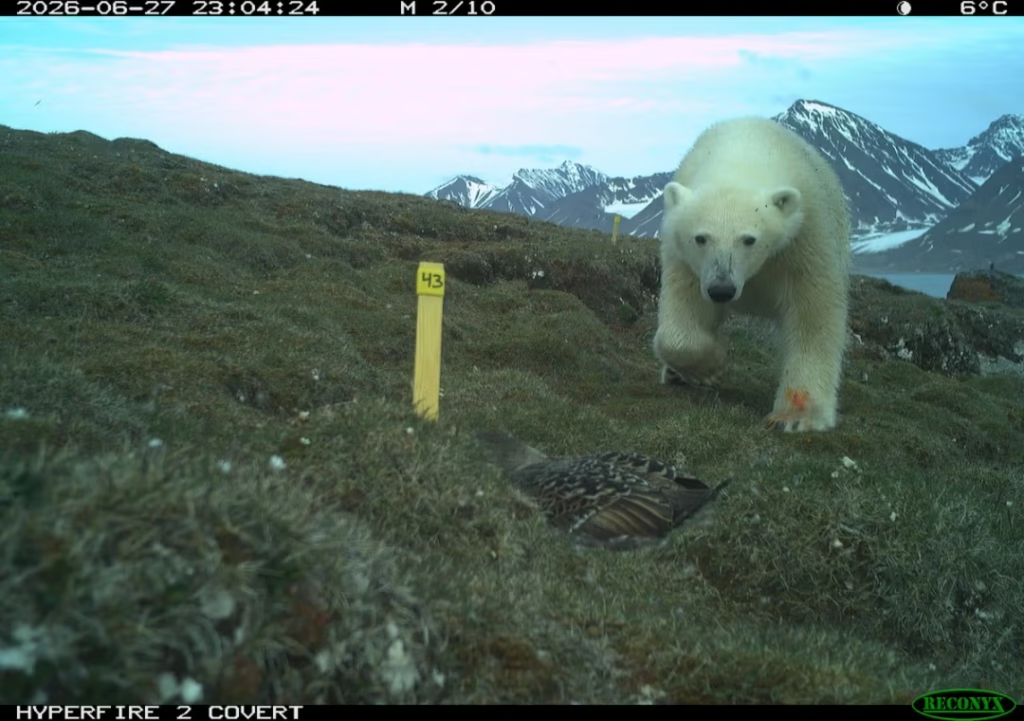
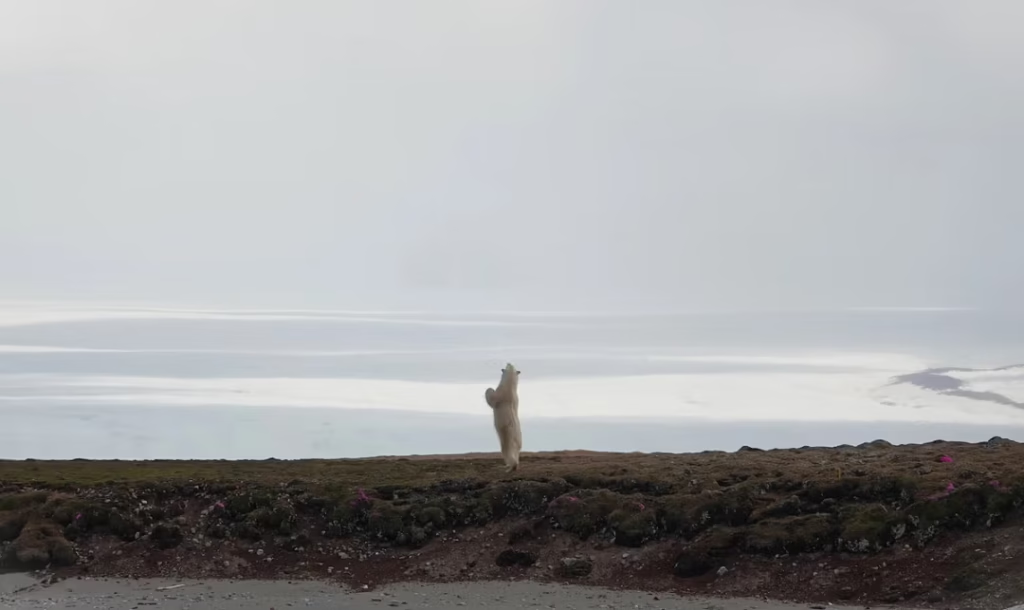
Climate change is causing polar bears to spend more time on land during the summer. This has consequences for colonial nesting birds when polar bears turn to bird eggs as an alternative food source. This summer, a record number of polar bear visits were recorded in Kongsfjorden, where one of Svalbard’s most important common eider populations breeds.
A total of 30 bear-days were recorded between June 4 and July 4, coinciding with the period when eiders are nesting and incubating their eggs. On average, this means that one polar bear was present every day during this period.
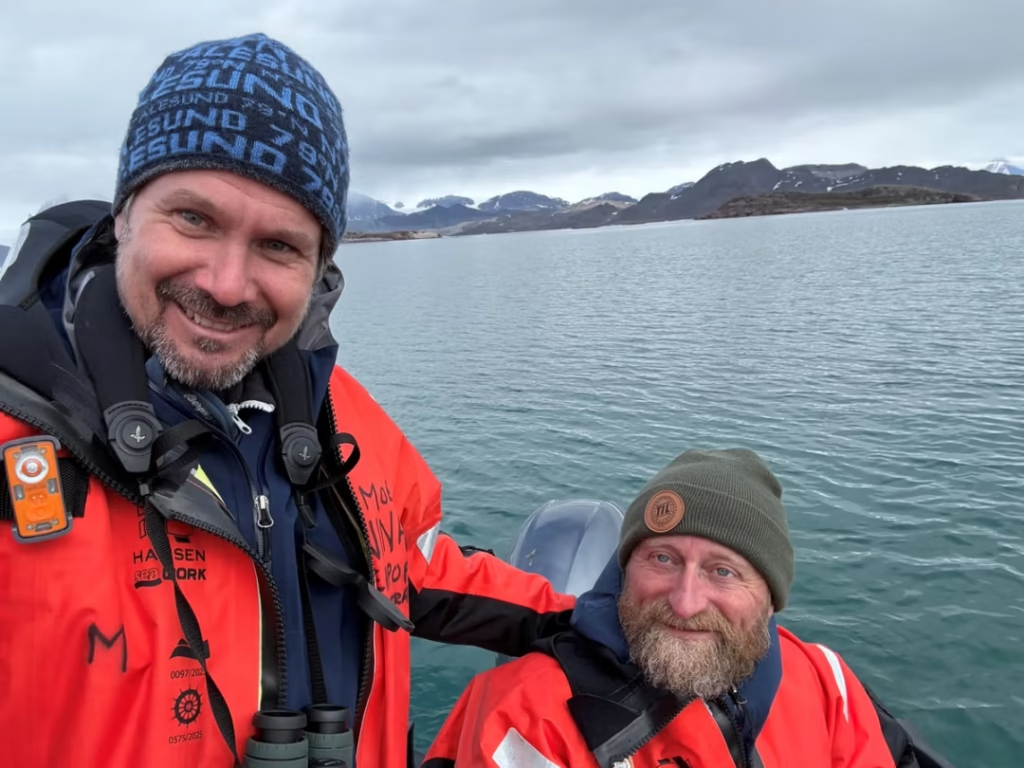
“This is the highest number we have ever recorded,” say NINA researchers Sveinn Are Hanssen and Børge Moe following this year’s fieldwork in Svalbard.
Only one brood escaped
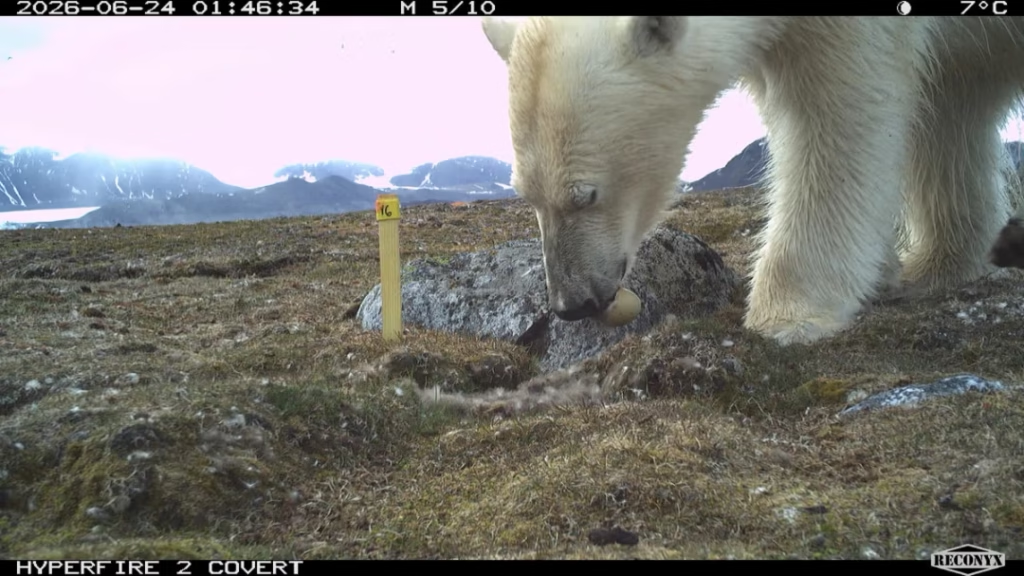
In collaboration with the Norwegian Polar Institute, the researchers monitor the common eider population and document how it is affected by polar bears. With one exception, images from all eleven nest cameras showed polar bears eating the eider eggs. The final nest camera also recorded a polar bear visit. However, in this case the female eider managed to hatch her eggs and leave the nest with her ducklings before the polar bear arrived.
The researchers confirmed the camera observations when they inspected a larger number of nests to assess hatching success. Very few female eiders successfully raised young in Kongsfjorden this year.
Less sea ice forces polar bears ashore
The warming of the Arctic is leading to a reduction in sea ice.
“This reduces polar bears’ opportunities to hunt ringed seals and bearded seals, forcing them increasingly to search for harbour seals and alternative food sources on land,” says Jon Aars, polar bear researcher at the Norwegian Polar Institute.
Together with seabird researchers, he has shown that summer occurrences of polar bears on land have increased in step with the decline in sea ice around Spitsbergen over the past 30–40 years, and that this may have consequences for colonial nesting birds.
Is the population declining?
The common eider is a long-lived species that can withstand poor breeding success for a few seasons.
Hanssen explains that polar bears have negatively affected breeding success during many seasons over the past ten years. As a result, researchers have questioned whether the eider population may begin to decline.
This year’s surveys show that the common eider population in Kongsfjorden has decreased by approximately 28% since 2025.
“It is not unlikely that we are beginning to see the effects of reduced recruitment,” says Sébastien Descamps, seabird researcher at the Norwegian Polar Institute.
“This is an important example of why long-term monitoring and research are essential for understanding climate change and the transformations taking place in Arctic ecosystems,” adds Moe.
Pictures by Sveinn Are Hanssen and Børge Moe // NINA
Did you find what you were looking for?